
How to Choose a Safe Dog Birthday Cake
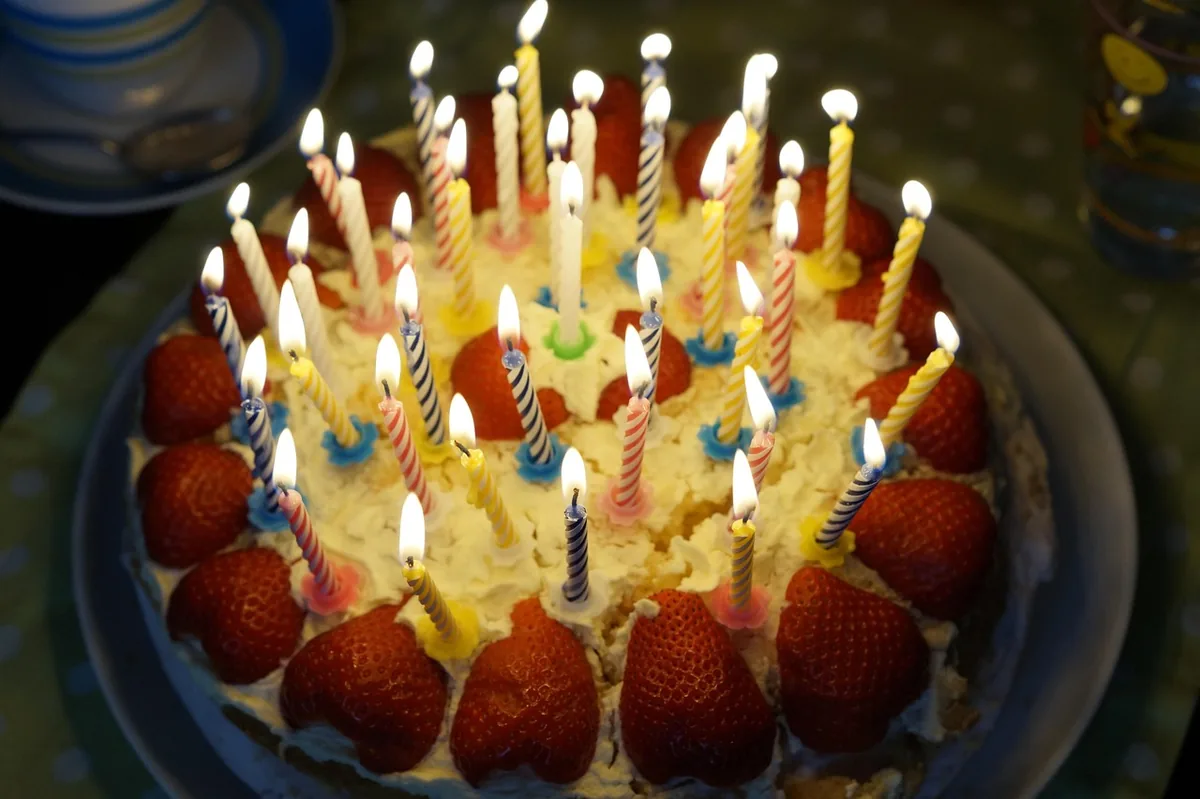
A birthday cake for a dog is a lovely way to mark another year with a companion who has given you so much. Dogs do not need frosting or candles to feel celebrated, but many owners enjoy the ritual. The important part is making sure the treat is actually safe to eat. Dogs digest food differently from people, and some ingredients that are harmless for us can cause stomach upset, allergic reactions, or worse. Knowing what to look for, whether you bake at home or buy a dog cake ready-made, helps you celebrate without risk.
Start With the Ingredients
Every safe dog cake begins with a short, simple ingredient list. The fewer components a treat has, the easier it is to know what your dog is eating and to spot a problem if one appears. Look for recipes or products built on a few whole foods rather than long lists of additives.
Some ingredients should be avoided entirely in any cake meant for a dog:
- Chocolate and cocoa contain theobromine, which is toxic to dogs. This includes dark, milk, and white chocolate, as well as carob-flavoured products that also contain cocoa.
- Xylitol, a common sugar substitute, is extremely dangerous to dogs even in small amounts. Check peanut butter, baked goods, and "sugar-free" labels carefully.
- Grapes, raisins, and currants can cause kidney damage in some dogs, so they do not belong in a birthday cake.
- Onion and garlic, in any form, can damage red blood cells and should be left out.
- Macadamia nuts are known to cause weakness, vomiting, and tremors in dogs.
- Large amounts of sugar, salt, butter, or rich cream are hard on the digestive system and add unnecessary calories.
Safer bases include plain oat or whole wheat flour, eggs, unsweetened pumpkin purée, plain yogurt, mashed banana, and a little natural peanut butter with no xylitol. Many owners also use blended carrot, apple without seeds, or a small amount of plain cooked sweet potato for colour and moisture.
Think About Allergies and Sensitivities
Even safe ingredients can cause trouble for an individual dog. Wheat, dairy, eggs, and beef are among the most common triggers for food sensitivities in dogs. If your dog has had digestive issues or skin reactions before, keep the cake simple and introduce anything new in a small piece first. Watch for itching, redness around the face or paws, vomiting, or loose stools over the following day.
If your dog has a known medical condition, such as diabetes, pancreatitis, or kidney disease, a treat that is safe for a healthy dog may not be suitable. In those cases, ask your veterinarian what kind of treat, if any, fits your dog's diet before choosing a cake.
Check Store-Bought Cakes Carefully
Pre-made dog cakes are convenient, but labels deserve a close read. Packaged treats sometimes contain preservatives, artificial colours, or added sugar, and ingredient lists can be written in ways that are easy to skim past. Look for:
- Ingredients you can recognise, listed roughly from the most to the least common.
- No xylitol, chocolate, raisins, or onion powder anywhere on the list.
- A clear note about whether the product is made for dogs and sold for canine consumption.
- A best-by date and clear storage instructions, especially for cakes with fresh cream or yogurt frosting.
- A size that fits your dog's daily treat allowance, so the celebration does not replace a full meal.
Frosting is often where hidden problems show up. Buttercream, cream cheese, and sweetened icings can be high in fat and sugar. Many dog bakers use plain yogurt, mashed banana, or a thin layer of unsweetened peanut butter instead.
Baking a Safe Cake at Home
Homemade cakes let you control every ingredient, which is one reason many owners prefer them. A basic recipe might combine one cup of oat flour, one egg, a quarter cup of plain pumpkin purée, a splash of water, and a spoonful of plain yogurt, baked in small silicone moulds. Keep the batter lightly sweetened, if at all, and bake until firm in the centre.
A few habits make home baking safer:
- Use a clean kitchen and wash all utensils that touched human food with hot soapy water.
- Let the cake cool completely before adding any topping, so frosting does not melt into an unappealing mess or soften in a way that is hard to handle.
- Store leftover cake in the fridge in a sealed container and discard it after a few days.
- Cut the cake into small pieces so your dog can eat it without choking, and so you can control portions.
Keep Candles, Decorations, and Serving Safe
The cake itself is only part of the celebration. Lit candles are a clear hazard, since a dog can knock them over or singe its fur. Many owners skip candles entirely and use a single decorative sprinkle or a small treat as a marker instead. If you do use a candle, make it unlit and remove it before your dog gets close.
Avoid decorations that can be swallowed, such as plastic toppers, ribbon, foil, or small sugar pieces. Serve the cake on a plate or mat your dog cannot tip, and keep the rest of the party food, especially anything from human dishes, out of reach. A calm, quiet setting also helps a nervous dog enjoy the moment.
Know When to Pause
A small slice of a good dog cake is a pleasant extra, not a meal. Offer it as part of the day's normal treat allowance and keep an eye on your dog afterwards. If your dog vomits, has diarrhoea, seems lethargic, or eats something toxic by accident, contact your veterinarian promptly. Keep the packaging or recipe handy so you can describe exactly what was eaten.
Choosing a safe birthday cake comes down to simple habits: read labels, avoid known toxins, keep recipes plain, and respect your dog's individual needs. With those in mind, the celebration can be both joyful and worry-free.